
By Baer Electric Inc. Published
On this page
A farm electrical inspection is a licensed electrician walking the whole yard, from the meter to the last bin fan, looking for wear, damage and shortcuts before they turn into a fire, a dead motor at harvest or a shock. It isn’t the same as a TSASK inspection, which checks new work done under a permit. This is a condition check of what you already have.
What gets checked
| Area | What the electrician looks at | Red flags you can spot yourself |
|---|---|---|
| Yard service and meter | Service mast, meter base, yard pole, overhead drops, underground feeders, main disconnect | A leaning pole, sagging lines, a damaged meter base |
| Panels and breakers | Corrosion, heat damage, loose or doubled-up connections, labelling, missing covers | Rust, scorch marks, a breaker that keeps tripping |
| Grain bins | Fan and heater disconnects, cords and cables, motor connections, controls | Cracked cords, open junction boxes, chewed insulation |
| Dryers | Supply wiring, controls, dust build-up | Dust inside enclosures, a burning smell |
| Barns | Moisture, corrosion, fixture ratings, heat lamps | Rusty boxes, broken fixture covers, lamps hanging by their cords |
| Shops | Circuit loading, welder and compressor supply, heaters | Breakers tripping, cords used as permanent wiring |
| Water pumps | Pump circuit, pressure switch, heat trace, heated waterers | Short cycling, a tingle at a waterer |
| Grounding and bonding | Ground rods, clamps, bonding of metal buildings, bins and waterers | Missing or corroded ground clamps |
| Cords and temporary wiring | Extension cords doing a permanent job | Cords through doorways, under gravel or chained together |
Yard service and meter
Most farmyards have a central meter and yard pole, with feeders running to the house, shop, barn and bins, overhead or underground. Over the years buildings get added and loads grow, and the feeders don’t always keep up. An inspection looks at the service mast, the meter base, the main disconnect, and each feeder’s condition and size against what it now supplies.
Leave the meter itself alone; it belongs to the utility. And look up before you move anything tall. SaskPower says there are more than 300 incidents of farm machinery contacting overhead power lines in Saskatchewan, and that all of them are preventable. If you’ve added a bin or bought taller equipment, check its clearance under the lines that cross your yard. Before you dig for a new feeder, SaskPower says you must get a line locate if a utility line may be present.
Panels and breakers
Farm panels have a hard life: dust, moisture, temperature swings, mice and, in livestock barns, ammonia. We look for corrosion on breakers and bus bars, signs of overheating, loose connections, two wires under a terminal made for one, open knockouts that let in dust and rodents, and labels that match what each breaker actually feeds. A panel that’s been added to for thirty years can show all of the above.
What you can check without taking a cover off: rust on the outside, a burning smell, a buzzing sound, or a breaker that trips again after you reset it. Any one of those means a call, not another reset.
Grain bins, fans, heaters and dryers
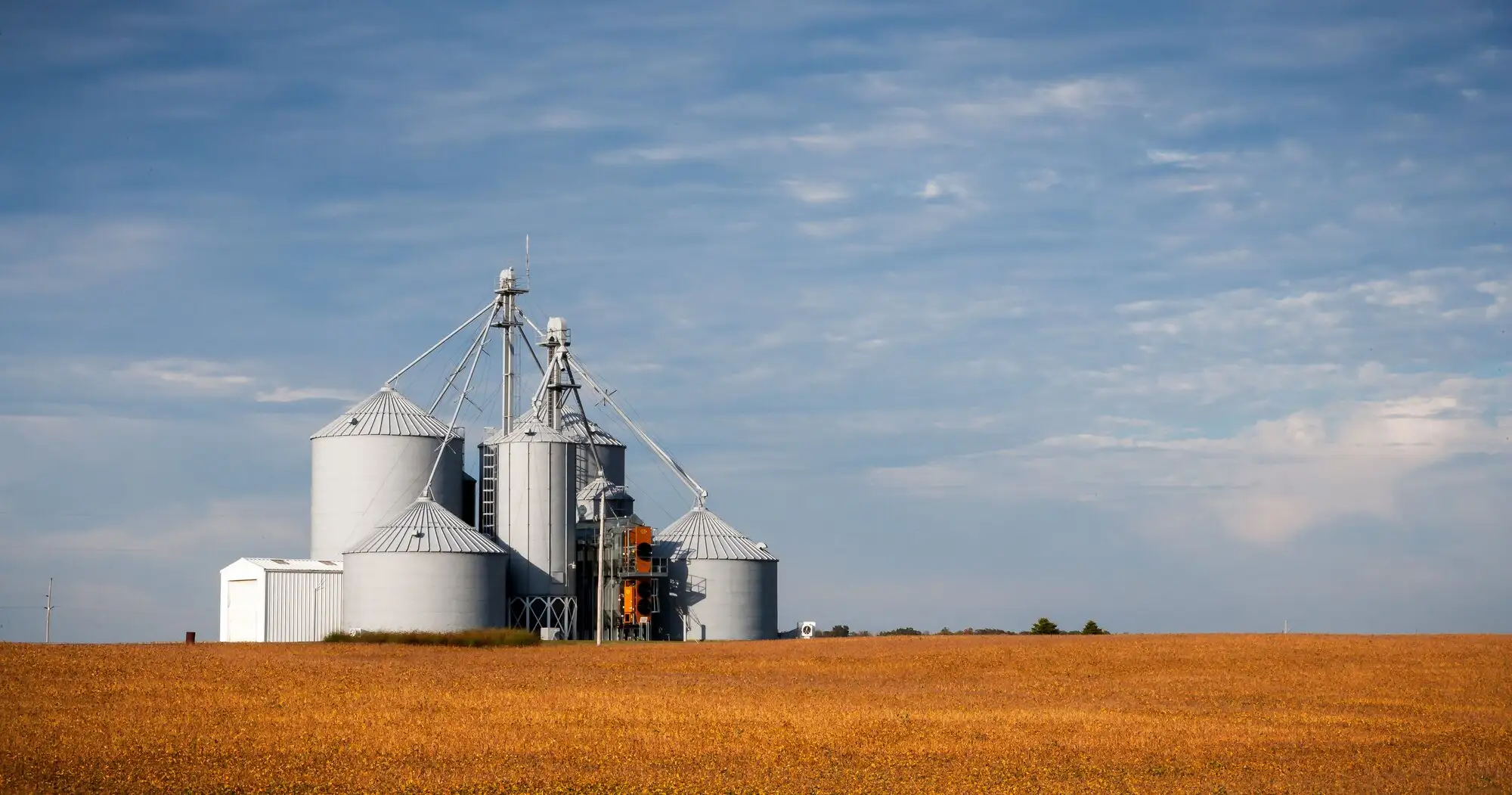
Aeration fans and bin heaters are some of the biggest loads on a farm, and they run long hours exactly when you can’t afford a failure. We check each bin’s disconnect, the supply cable and where it enters, motor connections, controls and overload protection, and whether cords are rated for outdoor use and for the load they carry.
Dryers put heat, motors and dust in one place. Grain dust inside an enclosure is a fire risk, and some dusty grain-handling areas can be classified as hazardous locations under the electrical code, which changes what wiring and equipment are allowed there. That’s a call for the electrician and the inspector to make, not a guess. Book this check before harvest, not in the middle of it.
Barns and moisture
Livestock barns are damp, dusty and often corrosive. Boxes rust from the inside, fixture covers crack, and cables get chewed. We look for wiring and fixtures suited to damp locations, sealed boxes, and ground-fault protection where the code calls for it.
Heat lamps deserve their own line. Secure them with a chain or a proper mount, keep the guard on, and keep them well away from bedding and dust. A lamp hanging by its own cord over straw is a fire waiting for a reason.
Shops
Shops collect loads over time: a welder, a compressor, a heater, a block heater and a few too many power bars. We check that each big tool has a properly sized circuit, that heaters have clearance from anything that burns, and that dust isn’t building up in panels and motor housings.
Water pumps
A dead pump in January is a bad day for people and livestock. We check the pump circuit and pressure switch, watch for short cycling, and test heat trace and heated waterers. If cattle are reluctant to drink at a waterer, stray voltage is one cause worth ruling out.
Grounding and bonding
Grounding gives fault current a safe path, so a breaker trips instead of a metal surface staying live. Bonding ties metal parts together so there’s no dangerous voltage difference between them. On a farm that means ground rods and clamps at each service, and bonding of metal buildings, bins, waterers and piping. We look for corroded clamps, cut ground wires and buildings that were added without being bonded.
If you feel a tingle from a waterer, a bin or a metal building, keep people and animals away and call an electrician right away.
Rodent damage
Mice and rats chew insulation and nest in panels, motor housings and junction boxes. Look for droppings near wiring, nests behind covers, and chewed cable where it enters bins and buildings. Chewed insulation can cause short circuits and fires, so damaged wiring gets replaced, not taped.
Extension cords
Cords are meant to be temporary. On farms they have a way of becoming permanent: run through doorways, buried under gravel, chained together, or feeding a block heater from an indoor-rated cord. Each of those is a fire or shock risk. If a cord has been in the same spot for a year, that spot needs a proper receptacle or circuit.
A quick self-check
Without removing any covers:
- Walk the yard and look up at every line and pole.
- Look over each panel for rust, scorch marks and missing covers.
- Note any breaker that trips repeatedly, and any panel that buzzes or smells hot.
- Check bin fan cords and boxes for cracks and chewing.
- Count the extension cords doing permanent jobs.
- Press the test button on your GFCI receptacles and make sure they reset.
When to call an electrician
Call right away for a tingle from metal, a burning smell, scorch marks or a breaker that won’t stay on. Book a full inspection before harvest, after you’ve added buildings or big equipment, or when you’ve bought a farm whose wiring you don’t know. Farm owners can do some of their own wiring under a TSASK Home/Farm Owner permit, but work over 200 amps or 300 volts, polyphase, hazardous locations and generators all need a licensed electrical contractor. See our farm electrical services, or our page on grain bin wiring if aeration and drying are the priority.